
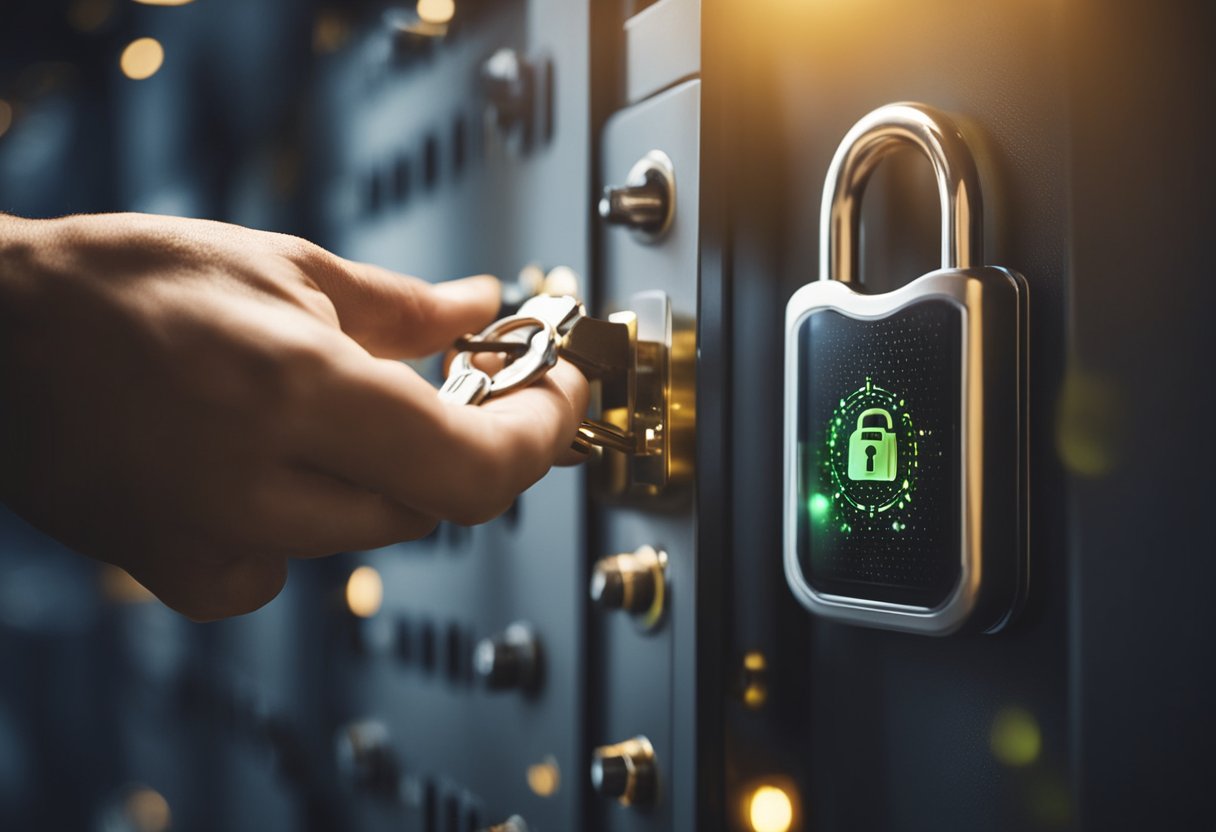
Employee training plays a crucial role in protecting organisations from cyber threats. Many people think that only technical staff can defend against these risks, but the truth is that non-technical staff are just as important. With the right training, employees can recognise potential threats and take action to mitigate them.
The rise of cyber attacks has made it clear that everyone in a company has a part to play in safeguarding sensitive information. By educating employees on common risks like phishing attacks and social engineering, organisations can empower their teams to spot threats before they escalate. When non-technical staff are trained effectively, they become the first line of defence against cyber threats.
Creating a culture of security awareness is essential. Regular training sessions and updates keep employees informed about new tactics used by cybercriminals. This proactive approach not only protects the company’s assets but also fosters a sense of responsibility among staff members.
Understanding Cyber Threats
Cyber threats are a serious concern for all organisations. They encompass various risks that can affect sensitive data, financial stability, and the overall integrity of a business. Recognising these threats is the first step towards prevention.
The Landscape of Cybersecurity
The cybersecurity landscape constantly evolves as technology advances. Cybercriminals develop new tactics and tools to exploit weaknesses in systems. Organisations must stay updated on current trends to defend against these threats.
Common challenges include responding to data breaches, where unauthorised individuals access sensitive information. Businesses face increasing pressure to protect their intellectual property and client confidentiality. Regular training for employees can help identify these risks early.
Common Types of Cyber Threats
Understanding the different types of cyber threats is essential. Here are a few common ones:
- Phishing Scams: These involve deceptive emails that trick employees into revealing personal information.
- Malware: Malicious software can corrupt systems, steal data, or gain unauthorised access.
- Ransomware: A specific type of malware that locks files until a ransom is paid.
Cybercriminals often use social engineering tactics to manipulate employees into compromising security measures. Awareness is crucial in recognising these threats.
Potential Impacts of Cyber Threats
The impacts of cyber threats can be severe. They can lead to financial loss through ransom payments or recovery costs. Additionally, businesses can suffer reputational damage if customer data is compromised.
Sensitive data breaches can result in long-lasting consequences, including regulatory fines and loss of client trust. Organisations must prioritise cybersecurity training to mitigate these risks and ensure their staff understand the potential implications of cyber threats.
The Role of Non-Technical Staff in Cybersecurity
Non-technical staff play a crucial role in preventing cyber threats. Their actions can significantly strengthen a company’s security posture. Understanding their responsibilities and best practices can help in protecting sensitive information.
First Line of Defence in Cyber Security
Non-technical staff are often the first point of contact for security threats. They are present in daily operations and can identify unusual behaviour. Their awareness of security issues helps protect the organisation from data breaches.
These employees handle a variety of tasks, from managing emails to using company devices. Each task presents potential risks. Thus, they should receive training on security practices relevant to their roles.
By being vigilant, non-technical employees can spot phishing attempts and suspicious messages. They contribute to a culture of security, making it harder for cyber threats to succeed.
Best Practices for Non-Technical Roles
Non-technical staff should follow specific practices to enhance their security awareness. Regular training sessions on cybersecurity can keep them informed of evolving threats.
Key practices include:
- Strong Password Management: Employees should create complex passwords and change them regularly. Using unique passwords for different accounts also reduces risk.
- Device Usage: Staff must understand how to securely use company devices. Avoiding public Wi-Fi for sensitive tasks is vital.
- Email Caution: Employees should be sceptical of unexpected emails. Clicking on links or downloading attachments without verification can lead to trouble.
By following these practices, non-technical employees can significantly lower the risk of security breaches.
Identifying and Reporting Suspicious Activity
Recognising and reporting suspicious activity is vital. Non-technical staff should know what to look for. Unusual login locations or unexpected requests for sensitive data are clear warning signs.
Employees should promptly report any concerns to the IT department. Quick reporting can help manage potential threats before they escalate. Training on identifying red flags empowers staff to make informed decisions.
Additionally, providing security resources, like checklists or guidelines, can support employees. Staff should feel encouraged and clear on how to take action. Engaging in discussions about cybersecurity also fosters a collaborative environment for safety.
Developing a Culture of Security
A strong culture of security helps protect an organisation from cyber threats. It includes raising awareness, creating a resilient security posture, and engaging employees in education. Each aspect is vital for empowering non-technical staff to make informed decisions regarding security.
Inculcating Security Awareness Training
Security awareness training is crucial for all employees. It teaches staff the importance of cybersecurity and how to identify potential threats. Training sessions should be regular and engaging.
Using interactive training modules keeps employees interested. These can include quizzes, real-life scenarios, and discussions. Additionally, webinars and online courses can offer convenience and flexibility.
Companies should also include practical examples of phishing, social engineering, and safe browsing. This hands-on approach helps staff recognise threats in their daily activities. Regularly refreshing the training content ensures that employees remain updated about new threats and best practices.
Creating a Resilient Security Posture
A resilient security posture means being prepared for potential breaches. Organisations should implement strong security policies and practices. This includes having up-to-date antivirus software and firewalls.
Regular audits help assess the effectiveness of these measures. By identifying weaknesses, companies can take proactive steps to strengthen their systems.
Additionally, management should encourage open communication about security concerns. This openness fosters a culture where employees feel comfortable reporting suspicious activities. Regular security drills can also reinforce a proactive mindset, enabling employees to respond swiftly to incidents.
Engaging Employees in Cybersecurity Education
Engaging employees promotes ongoing interest in cybersecurity. Beyond initial training, hosting cybersecurity education events maintains awareness. These can be in the form of workshops or lunch-and-learn sessions.
Using diverse teaching methods can cater to different learning styles. Some may prefer videos, while others benefit from hands-on activities. Creating a community around cybersecurity helps build camaraderie and shared responsibility.
Gamifying the training experience can also enhance participation. Friendly competitions can motivate employees to learn and apply security practices. By making education an ongoing priority, organisations can cultivate a workforce that actively contributes to overall security.
Implementing Effective Security Practices
To guard against cyber threats, it is vital for non-technical staff to implement solid security practices. This section covers essential methods like authentication, data protection, and ongoing education to enhance security awareness.
Authentication and Authorisation Measures
Authentication and authorisation are crucial for protecting access to sensitive information. Using strong, unique passwords helps users safeguard their accounts. Employees should change their passwords regularly and avoid sharing them.
Two-factor authentication (2FA) adds an additional layer of security. It requires users to provide two forms of identification before gaining access. This method greatly reduces the risk of unauthorised access.
Staff should understand the importance of authorisation levels. Not everyone needs access to all data. Limiting access based on job roles can minimise security risks. Regular audits of user access rights can reinforce secure practices.
Data Protection and Privacy
Data protection is essential in preventing data breaches. Employees should be trained on how to handle sensitive information carefully. This includes encrypting data when storing or sharing it.
Security policies must be clear and accessible. Employees should know what constitutes sensitive data and how to deal with it appropriately. They should report any security concerns immediately.
Using privacy settings and secure networks helps protect data from breaches. Regular training on data protection best practices ensures that staff remain vigilant. Awareness of potential threats like phishing scams is also necessary, as such scams can lead to serious security issues.
Continuous Learning and Improvement
Cybersecurity threats are always evolving. Therefore, continuous learning is essential. Companies should offer ongoing security awareness programmes to keep staff informed about the latest threats and best practices.
Utilising machine learning can enhance security training effectiveness. This technology can analyse past security breaches to tailor training for employees. Real-time feedback helps ensure that staff understand their roles in maintaining cybersecurity.
Regular assessments of security practices can identify areas for improvement. Employees should be encouraged to share feedback about existing security measures. This creates a culture of openness and proactivity around cybersecurity, enabling the organisation to adapt and strengthen its defence systems.
Leveraging Technology and Resources
Utilising the right technology and resources is essential for non-technical staff to effectively combat cyber threats. The tools and partnerships available can significantly enhance an organisation’s cybersecurity posture and help prevent data breaches.
Security Tools and Software
Security tools and software are vital for protecting an organisation’s data. Password managers are one example. They help employees create and manage strong, unique passwords for various accounts. This reduces the risk of unauthorised access.
Additionally, antivirus programmes and firewalls can create another layer of defence. These tools help block malicious activities and alert users to potential threats. Regular updates ensure software is equipped to handle emerging risks, keeping organisational data safe.
Using monitoring tools allows teams to quickly detect any unusual activity. Early detection is crucial for reducing cyber risk and preventing severe data breaches.
Partnerships with IT Departments
Building strong partnerships with IT departments is essential for non-technical staff. IT teams possess the expertise needed to implement effective security measures. Collaboration helps ensure security training aligns with current threats and technologies.
Regular training sessions should focus on practical security resources. For example, staff can learn about phishing scams and how to recognise suspicious emails. IT can also provide guidelines for safe internet usage.
Effective communication with IT allows non-technical staff to report concerns quickly. This promotes a culture of security where everyone shares the responsibility for data protection.
Regulatory Compliance
Understanding regulatory compliance is important for organisations to avoid penalties and maintain trust. The Federal Trade Commission (FTC) offers guidelines for safeguarding customer information. Non-technical employees must be aware of these requirements.
Training programmes should include information on relevant laws and regulations. This equips staff with the knowledge needed to follow best practices for data management.
Non-compliance can lead to data breaches and result in severe fines. By leveraging resources available for compliance, organisations can protect themselves and their customers.
Conclusion
Employee training plays a crucial role in cybersecurity. Non-technical staff are often the first line of defence against potential threats. Educating them about risks can significantly reduce security breaches.
Regular cybersecurity training helps staff identify phishing emails, suspicious links, and other common tactics used by attackers. When employees understand what to look for, they are less likely to fall victim to cyber threats.
Building a strong organisational culture around cybersecurity is essential. When everyone prioritises security, it creates a safer environment. This approach fosters communication and vigilance among staff, encouraging them to report any concerns.
Training should be ongoing to keep up with new threats. Regular updates and refresher courses will ensure that employees remain informed about evolving risks. Simple and engaging training methods can improve retention and awareness.
Incorporating cybersecurity into the workplace culture can lead to better outcomes. With the right knowledge and support, non-technical staff can effectively contribute to protecting the organisation from cyber threats. This makes it essential for companies to invest in training and awareness programmes.